From Quarry to Rooftop: The Process of a Slate Roofing Tile
Slate roofing has long been valued for its classic charm, durability, and the unique appeal it brings to homes, especially in old neighborhoods like Louisiana's capital. As https://blogfreely.net/slateroofersmo223/the-classic-charm-of-slate-tile-roofs-the-ultimate-detailed-guide of the oldest roofing materials, slate is a natural product that not only enhances the aesthetic appeal of a property but also endures, often remaining over 100 years with care. This journey from the stone quarry, where slate is meticulously extracted, to its installation on top structures, shows a deep commitment to skill and conservation, which is particularly important for the vintage properties in areas such as Soulard district and the Central West End neighborhood.
For householders considering the merits of slate or those who are already taking advantage of its many benefits, comprehending how to care for and preserve these splendid roofs is crucial. Whether it's noticing the signs of deterioration from the weather, the effects of the winters of St. Louis, or the value of hiring expert professionals for check-ups and fixes, this article will navigate you through the process of maintaining slate roofing. As we delve into this topic, you will uncover the most effective methods, frequent misunderstandings, and a rich trove of knowledge that will ensure your slate roof stays as beautiful and functional as the day it was installed.
Signs That Your Slate Roofs Requires Maintenance
As a homeowner, keeping an eye on the condition of your slate roof remains essential to stop costly repairs in the future. One of the initial signs that your slate roof may need repair is the presence of broken tiles. These damaged tiles can jeopardize the integrity of the roof, allowing water to seep in and cause additional issues within the building. Regularly inspecting your roof for any visible signs of damage can help you identify these problems promptly.
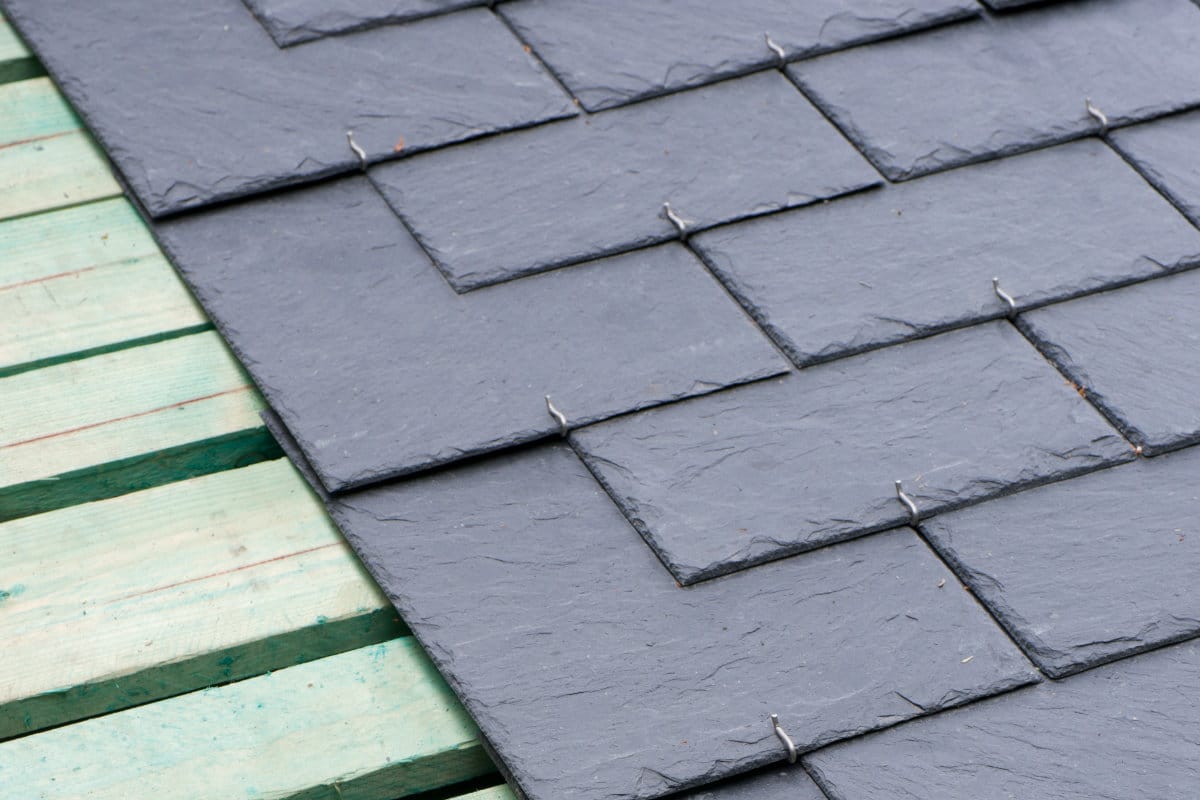
A different telling sign is the appearance of absent tiles. If you notice bare spots where tiles have come off, it is crucial to fix this right away. Missing tiles can expose your roof and home to the elements, leading to leaks or water damage. St. Louis Slate Roof does this create structural risks, but it can also lead to mildew growth and increased energy costs due to lowered insulation.
Additionally, staining or moss growth on your slate roofing is a sign that moisture is being held on the surface. While slate is inherently resistant to mold, prolonged exposure to moisture can lead to deterioration. If you see strange growth or staining, it could indicate that your roof is not draining properly, requiring a closer inspection to avoid further deterioration.
Caring for Your Slate Roof
Regular maintenance is essential for preserving the condition and aesthetic of your slate roof. Commence by carrying out a visual inspection at a minimum of twice a year, ideally in the spring and fall. Look for any cracked or absent tiles, as such issues can result in leaks if not fixed in a timely manner. Remove debris such as leaves or branches that can hold moisture and foster mold growth. It's also a smart move to check the barrier around chimneys and ventilation for signs of damage or rust.
Along with visual checks, a comprehensive inspection by a professional can help uncover issues not easily visible to the untrained eye. Professionals can assess the state of the slate tiles and the underlying structure, ensuring that any minor problems are addressed before they escalate into significant repairs. Staying current on this type of assessment is notably vital in areas like St. Louis, where weather conditions can impact negatively on roofing materials.
In conclusion, confirm you uphold adequate drainage to help prolong the life of your slate roof. Clean gutters and drainpipes regularly to avoid water backup, resulting in ice dams during cold weather. Putting resources in a routine maintenance plan not only improves the looks of your home but can also save you significant repair costs in the future.
Grasping Slate and Ceramic Roofing
Schist and clay roofing has been a well-liked choice for homeowners for decades due to its mixture of strength and visual charm. Genuine slate is formed from altered rock, giving it a unique surface and color variations. Each slate tile is cut from the material, allowing for varied shapes and sizes, which can contribute to the character of a roof. Tile roofing, on the other hand, can be made from earthenware or mortar, providing a light option that resembles the look of stone while offering its unique advantages.
In the city of St. Louis, where historic homes are abundant, preserving the structural integrity is vital. Authentic slate roofs are particularly preferred in areas like Soulard because of their durability and traditional appearance. Property owners often choose particular colors and finishes to coordinate with the period aesthetic of their houses. Additionally, understanding the contrast between solid and porous vein slate can help property owners make informed choices based on their roofing requirements and environmental factors.
Upkeep is essential for both schist and clay roofing to ensure longevity. Routine inspections can identify issues such as weather damage and damage from storms, which, if ignored, can lead to expensive repairs. Extra attention should be given to waterproofing, drain systems, and ensuring that the installation is up to specifications, especially for heavy stone roofs. By grasping the features and upkeep necessities of schist and clay roofing, homeowners can preserve their properties and enhance the appearance of their houses.